The Skills Children Are Expected to ‘Just Know’—But Are Never Taught

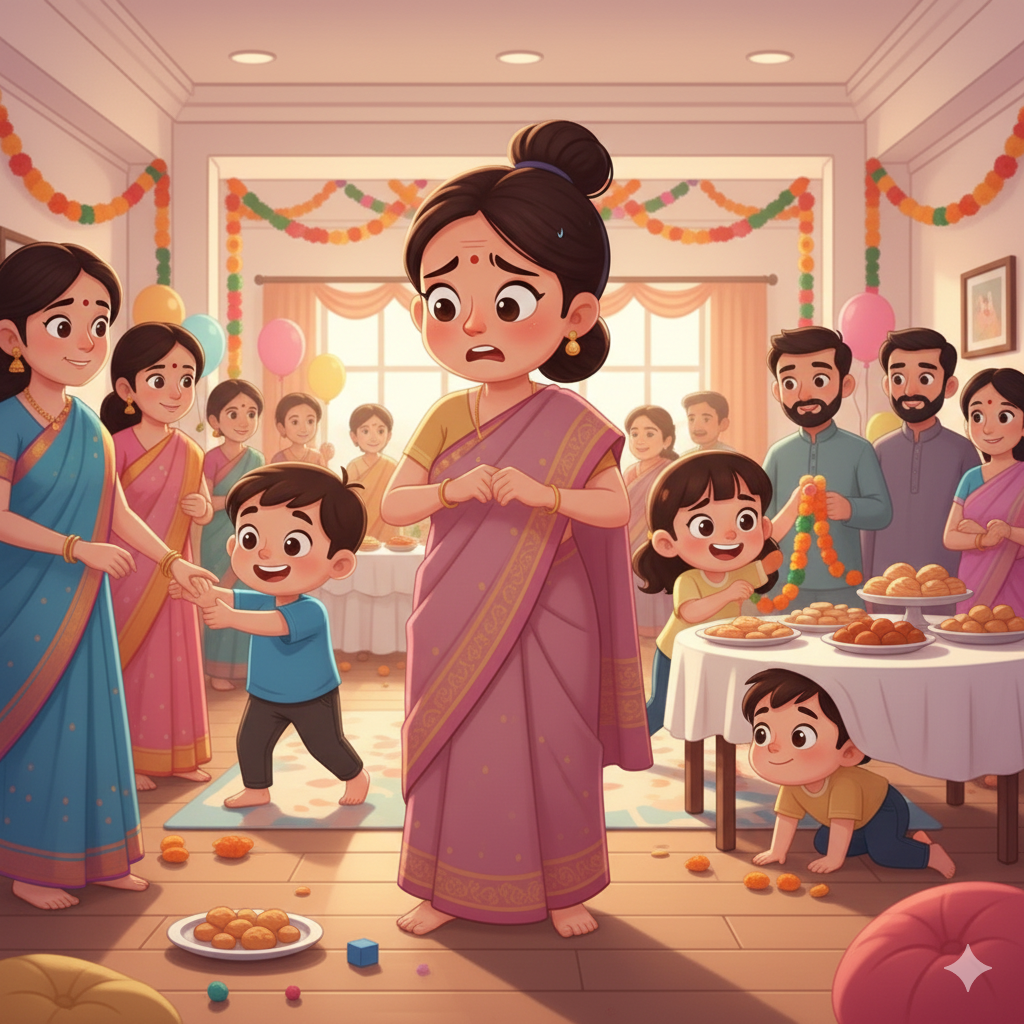
At home or during family visits, children are often told, “Itna toh samajhna chahiye.”\\r\\nThis blog explores everyday Indian situations to explain the life skills children are expected to know—but are never clearly taught.
At home, a child is told,
“Bade ho gaye ho, itna toh samajhna chahiye.”
The sentence is familiar.
It’s said casually, often without irritation.
The child nods—but looks unsure.
And many parents quietly wonder later:
When did children actually learn these things we expect them to know?
When Expectations Show Up Suddenly
As children grow, expectations quietly increase.
They are expected to:
- wait patiently
- talk politely to elders
- share with others
- understand right behaviour in public
- manage emotions during disappointment
Parents often notice moments like:
- a child interrupting adult conversations
- getting upset in social gatherings
- not knowing how to respond to elders
- struggling to adjust in new places
These moments don’t come from bad upbringing.
They come from skills that were never clearly shown or explained.
What These “Unspoken Skills” Really Are
The skills children are expected to “just know” are not school subjects.
They are everyday life skills like:
- how to behave in public places
- how to express anger or disappointment respectfully
- how to wait their turn
- how to talk to elders and peers differently
- how to accept a “no” without breaking down
These are not instinctive skills.
They are learned gradually, through experience and guidance.
Why These Skills Are Rarely Taught Directly
In schools, children are taught what can be tested.
At home, routines move fast:
- school
- homework
- tuition
- activities
Often, adults assume children will “pick it up” by watching others.
But children see behaviour—they don’t always understand the why behind it.
This is not anyone’s fault.
It’s simply how busy lives work.
How Children Actually Learn These Skills
Children learn life skills best when:
- adults explain everyday situations patiently
- stories are used instead of instructions
- mistakes are corrected gently, not instantly
- behaviour is discussed after the moment passes
Repeated exposure matters more than one-time correction.
Small conversations, over time, create understanding.
A Simple Everyday Example
Imagine a family visiting a relative’s house.
The child runs around, touches things, and speaks loudly.
Later, in the car, instead of scolding, an adult says:
“Did you notice how we sit quietly when elders are talking?”
“That’s how we show respect in someone else’s home.”
There is no anger.
No embarrassment.
Just explanation.
In that moment, the child learns something important—not a rule, but a social skill.
A Gentle Thought for Parents
Children are not born knowing how society works.
They learn through:
- repeated explanations
- observing behaviour
- gentle reminders
- everyday experiences
When children struggle socially or emotionally, it doesn’t mean they lack values.
It usually means they are still learning skills that were never clearly taught.
Closing Note
Many of the most important skills in life don’t come from books.
They come from:
- family conversations
- daily situations
- simple explanations
When children are guided patiently through these moments,
they grow into adults who feel more confident and aware.
Because sometimes, what children need most
is not correction—but context.